Securing an effective pest control service in Dayton stops structural wood degradation, contaminated food storage, and insulation loss at the biological source. Our local technicians inspect foundational masonry, crawl spaces, and attic perimeters to identify exact entry corridors rather than applying indiscriminate blanket chemical sprays across living spaces.
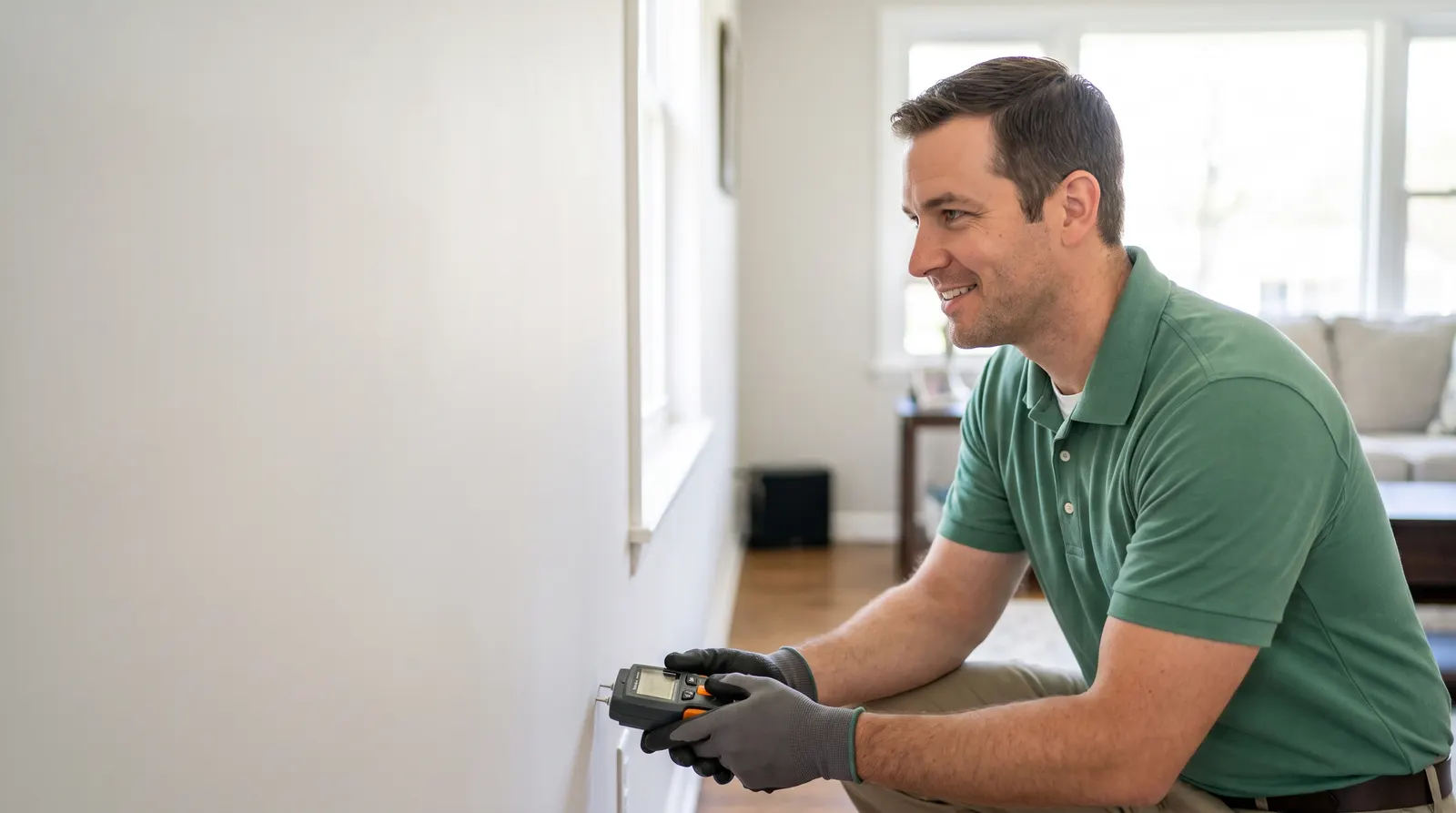
Pest Control Service in Dayton is a targeted biological remediation and structural exclusion discipline that locates harborage sites, eradicates active insect and rodent colonies, and seals building envelopes across Montgomery County properties.
Every service reflects the same meticulous attention to detail — whether it's a single job or a larger pest control service project across Dayton.
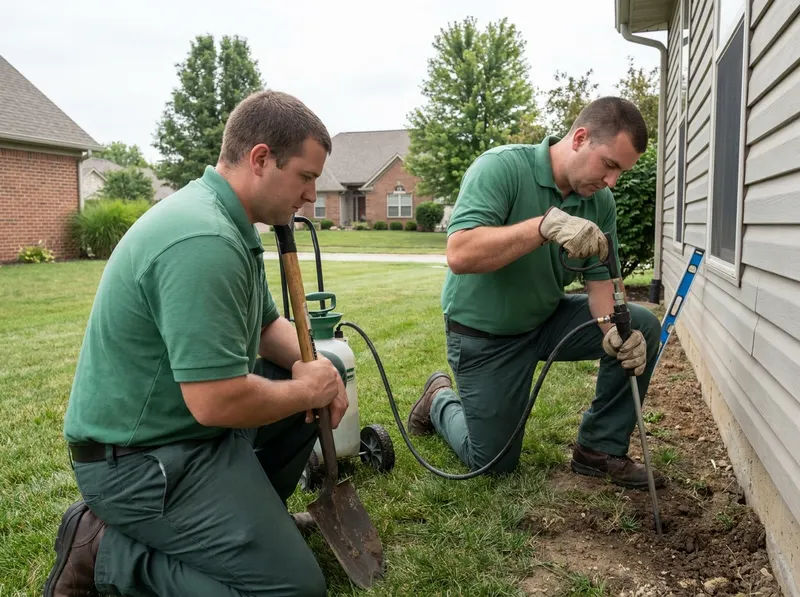
Comprehensive subterranean termite inspections and structural barrier applications designed to halt wood-destroying organism damage. Technicians trench perimeter soils along foundation walls, apply non-repellent liquid termiticides like fipronil, and inject specialized expandable termiticide foams into vulnerable interior wall voids, sill plates, and hollow masonry blocks. This protocol targets Reticulitermes flavipes colonies at subterranean nests, utilizing the social transfer effect to eliminate the reproductive queen and stop ongoing timber destruction throughout Dayton residential and commercial structures.
View details →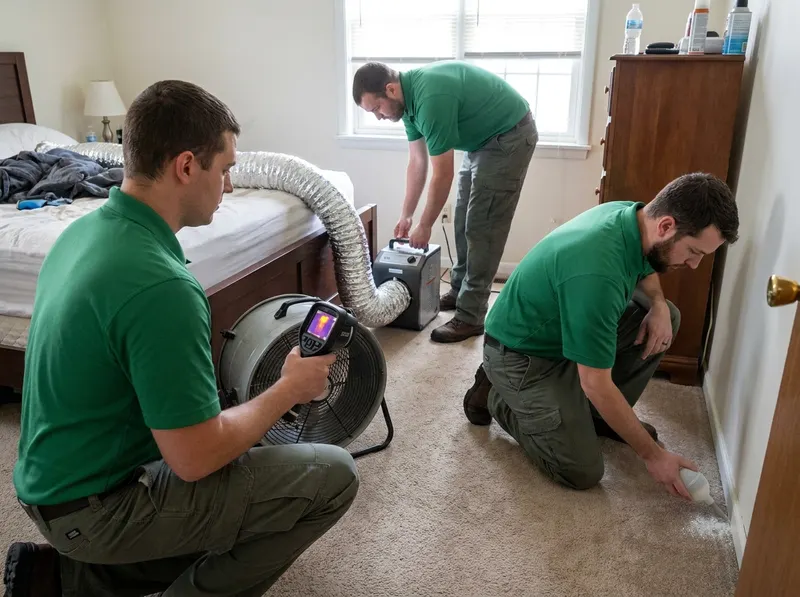
Systematic multi-phase bed bug remediation combining precision crack-and-crevice applications, targeted heat protocols, and EPA-registered amorphous silica desiccant dusts. Technicians dismantle bed frames, inspect mattress seams, remove electrical faceplates, and treat baseboard perimeters to eradicate adult Cimex lectularius, nymphs, and viable eggs. This approach eliminates insecticide-resistant bed bug strains without requiring extensive furniture disposal, backed by post-treatment follow-up inspections to ensure total biological eradication across bedrooms and shared living areas.
View details →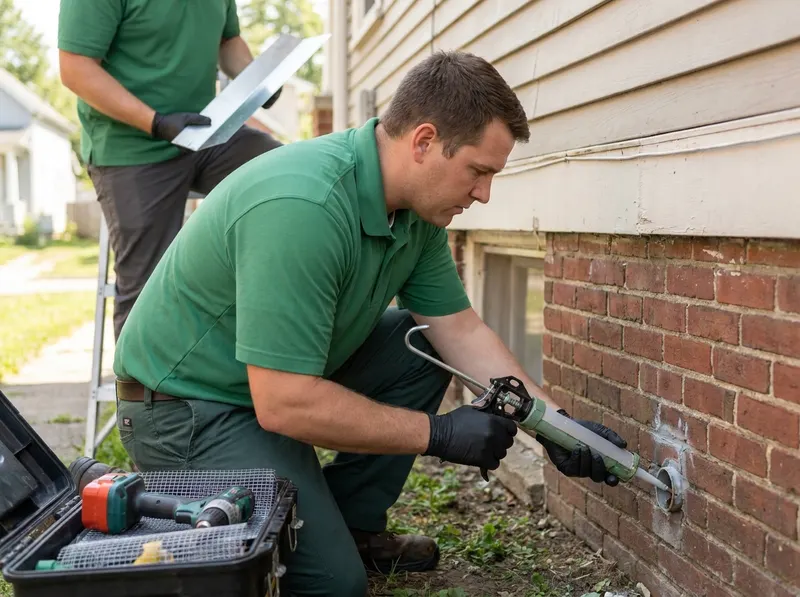
Targeted eradication of Norway rats and house mice utilizing tactical mechanical trapping, contaminated insulation removal, and permanent building envelope exclusion. Technicians identify roofline gaps, uncapped crawl space vents, and utility pipe penetrations larger than one-quarter inch. We seal these vulnerable access points using heavy twenty-gauge galvanized steel wire mesh, metal flashing, and non-toxic elastomeric sealants, ensuring rodents cannot re-enter conditioned spaces while safely clearing interior populations without broad poison distribution.
View details →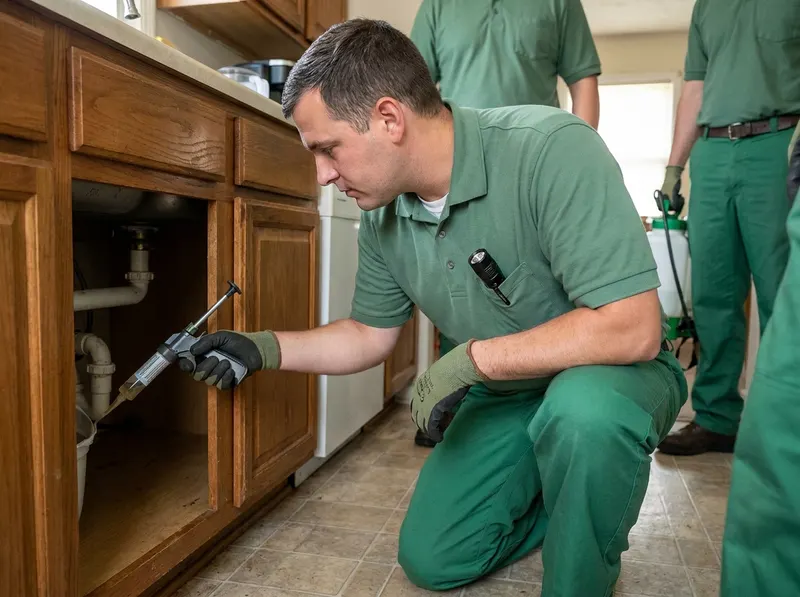
Intensive clean-out protocols specifically engineered for German, American, and Oriental cockroach infestations in food preparation zones, basements, and multi-family plumbing chases. Technicians deploy targeted abamectin and hydramethylnon gel baits combined with pyriproxyfen insect growth regulators (IGRs) and dry void dusts. This systematic protocol prevents nymphs from reaching reproductive adulthood, clears active aggregations from motor housings and cabinet hinges, and avoids airborne chemical contamination on food contact surfaces.
View details →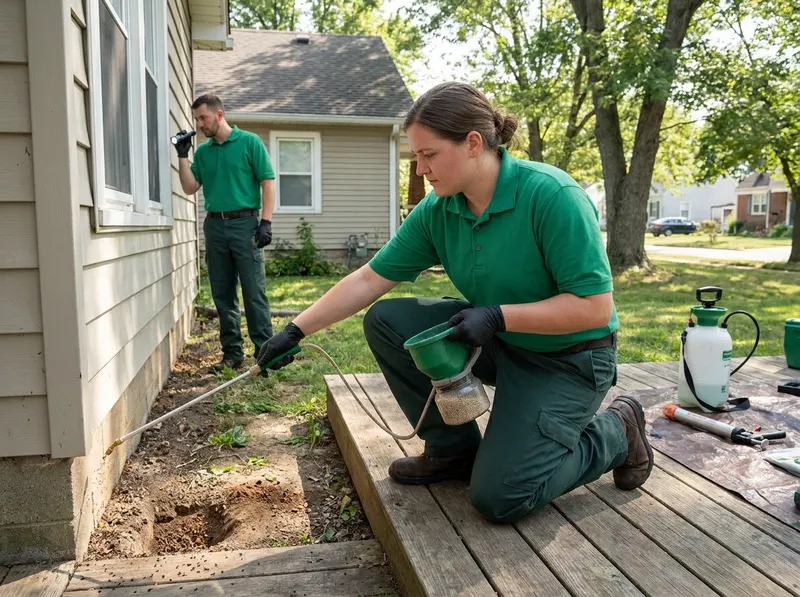
Eradication of wood-nesting carpenter ants, odorous house ants, and pavement ants using slow-acting transferable baits and targeted perimeter barrier defenses. Technicians trace satellite foraging trails back to central parent nests located inside damp wall voids, roof leaks, subflooring, or external landscape timbers. By utilizing biological foraging preferences for carbohydrates and lipids across seasonal cycles, applied non-repellent formulations are carried directly into the primary nest to eliminate the queen and brood.
View details →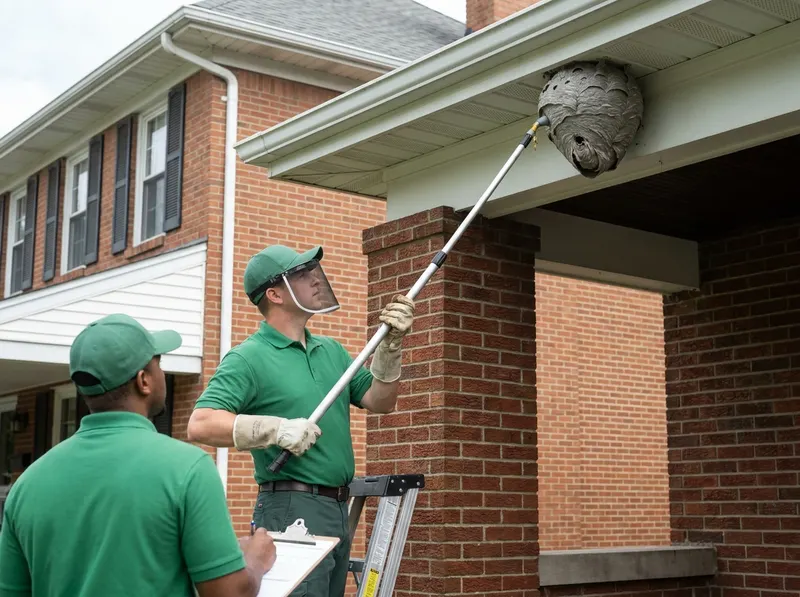
Defensive elimination and physical removal of bald-faced hornets, aerial yellowjackets, paper wasps, and carpenter bees nesting in soffits, eaves, attics, and subterranean ground burrows. Technicians utilize protective gear and precision pressurized aerosol and dust injection equipment to neutralize aggressive stinging colonies on contact. After removing physical nest structures, residual repellent barriers are applied to exterior fascia and trim to deter future queen colonization during spring nesting periods.
View details →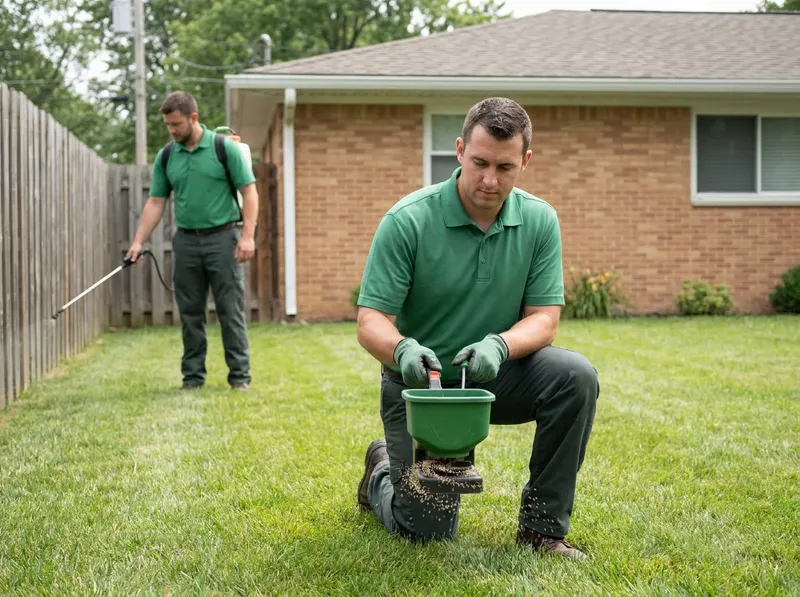
Comprehensive dual interior and exterior treatments designed to interrupt the multi-stage lifecycle of cat fleas, dog fleas, and blacklegged ticks. Technicians treat interior carpets, area rugs, baseboard margins, and upholstered furniture with adulticides paired with juvenile hormone mimics that arrest larval development. Exterior applications focus on shaded turf zones, groundcover, brush lines, and structural foundations to eliminate outdoor questing ticks and adult fleas brought onto properties by local wildlife.
View details →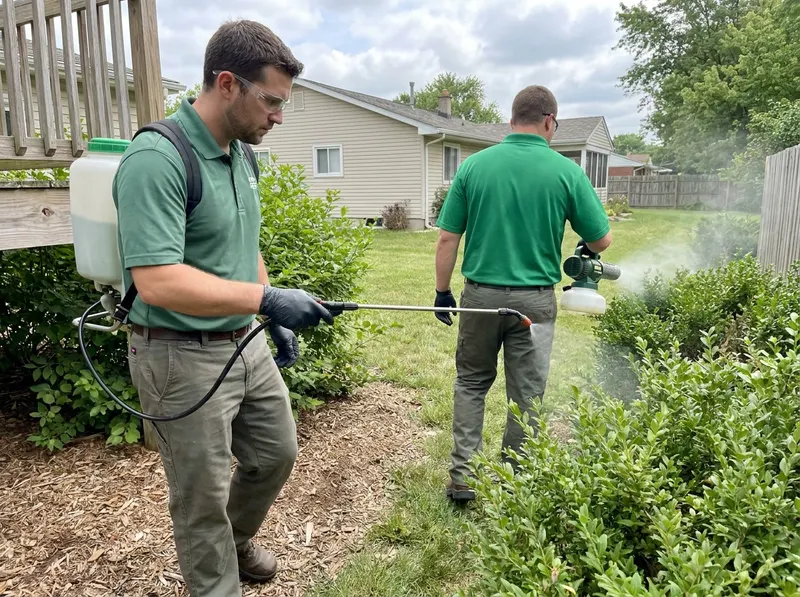
Micro-encapsulated foliage barrier treatments and biological larvicide applications targeted at shaded resting zones, under-deck areas, dense ornamental shrubbery, and standing water collection basins. Technicians apply specialized low-toxicity residual misting agents to the underside of broadleaf plants where adult mosquitoes rest during daytime heat, while deploying Bacillus thuringiensis israelensis (BTI) briquettes in non-draining gutters and low spots to stop larvae from emerging into biting adults.
View details →Pest Control Service in Dayton is a targeted biological remediation and structural exclusion discipline that locates harborage sites, eradicates active insect and rodent colonies, and seals building envelopes across Montgomery County properties.
You get a firm, itemized quote for your pest control service before any work begins — no surprises, no pressure.
Careful prep, tidy work, and a full cleanup when we are done. We treat your home and belongings like our own.
The same trusted, background-checked team from the first call to the final check.
Selecting the right pest control intervention depends on the specific biological vector, structural access points, and the urgency of colony eradication. If you are dealing with subterranean termites compromising structural floor joists, sill plates, or support posts, choose a liquid non-repellent perimeter soil barrier paired with direct structural wood void injection; if you are addressing foraging carpenter ants excavating damp structural wood, choose targeted carbohydrate and protein bait matrices transferred through social grooming. The trade-off centers on application time and immediate disruption versus long-term residual colony transfer: liquid termiticides create an invisible continuous zone that eliminates colonies within ninety days, while surface contact sprays provide immediate knockdown but scatter colonies deeper into wall cavities. For rodent intrusions in historic crawl spaces and stone cellars, prioritize heavy-gauge galvanized hardware cloth physical exclusion over recurring toxic bait stations; structural exclusion demands higher upfront labor but permanently closes access corridors without leaving decomposing carcasses inside wall voids. If you face German cockroach infestations in multi-unit kitchen galleys, choose dual-action insect growth regulators combined with micro-encapsulated non-repellent gel baits rather than standard repellent aerosols; repellent aerosols scatter roaches deeper into plumbing chases, whereas growth regulators eliminate nymphs and prevent reproductive maturation. For bed bugs, select localized thermal remediation combined with desiccant dust applications in baseboards if rapid same-day elimination is required, or choose phased bio-pesticide applications if budget control across multiple rooms is the primary consideration.
Every project gets a firm, written price after a free on-site visit. Ranges below for orientation.
Tell us about your pest control service job and we'll send a clear, written quote — usually the same day. Or just call and talk to a real Dayton pro.
(937) 637-0188
Dayton's housing stock presents distinct biological management challenges due to the combination of 19th-century timber architecture and proximity to the Great Miami River, Mad River, Wolf Creek, and Stillwater River drainage basins. Historic residential neighborhoods like the Oregon District, St. Anne's Hill, and South Park feature balloon-framed wood framing, limestone foundations, and aging stone cellars where damp masonry and unsealed sill plates create ideal travel corridors for Norway rats and carpenter ants. High relative humidity and elevated water tables near landmarks like RiverScape MetroPark, Carillon Historical Park, and the University of Dayton campus foster significant subterranean termite pressure, as Reticulitermes colonies thrive in damp alluvial soil beds before tunneling up into structural floor joists. In northern and eastern sectors such as Dayton View, McPherson Town, and Belmont, dense mature tree canopies overhang rooflines, depositing organic debris that clogs historic box gutters and funnels foraging odorous house ants and overwintering stink bugs directly into attic vents. Effective pest management across Montgomery County requires structural knowledge of these regional architectural envelope variations, combining targeted non-repellent soil barriers, precise void dusting, and durable hardware cloth mechanical exclusion.
Free estimates for Dayton & the surrounding area.
 Smart Guard Pest Services